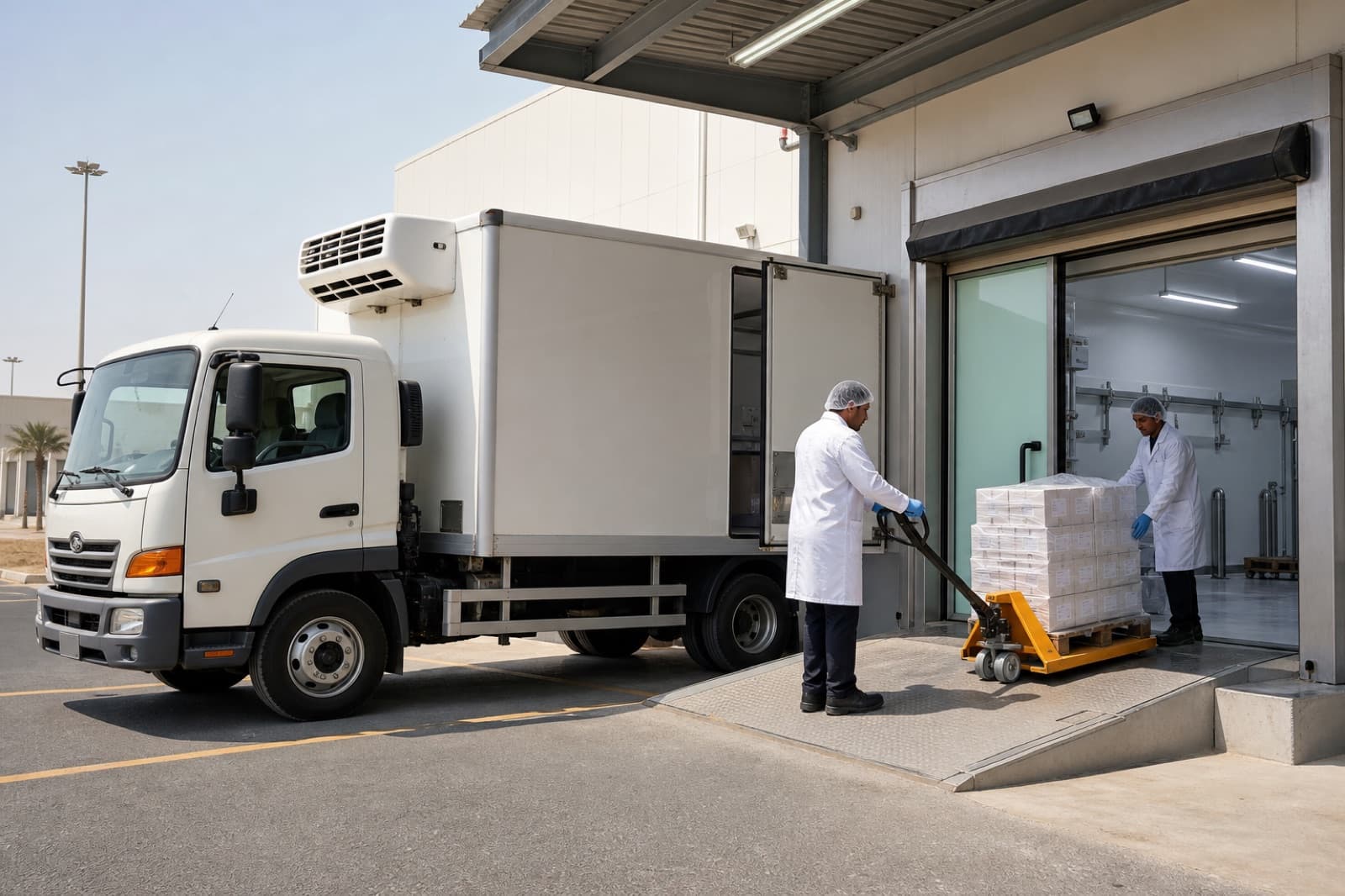
Cold Chain Meat Delivery

Definition

Cold-chain meat delivery in the UAE is the temperature-controlled handling and transport of meat and poultry from the point of production or receipt through to the end customer. The "cold chain" is the unbroken sequence of storage and transport steps during which product is kept within specified temperature ranges (typically chilled, e.g. 0°C to 4°C, or as required by product type and regulation). Any break in the chain—for example, product left at ambient temperature for too long—can compromise safety and quality.

In the United Arab Emirates, ambient temperatures are often high, so cold chain is critical for perishable meat and poultry. Wholesale suppliers and their logistics partners use refrigerated storage and vehicles to maintain safe temperatures from receipt through to delivery to commercial clients. Zad Organics supplies poultry, meat, camel, and seasonal products to restaurants, hotels, caterers, and retailers across the UAE—including Dubai, Sharjah, Abu Dhabi, and Al Ain—with attention to quality and safe handling. Traceability is supported through Zad Verify; for the broader picture of how product is traced, see meat traceability UAE.

Cold chain does not replace traceability or halal compliance; it works alongside them. The following sections describe how cold-chain delivery is implemented in practice, what constraints and compliance apply, and where to find more information on products and locations.

Process breakdown

Cold-chain meat delivery in the UAE can be broken down into clear stages. Each stage must maintain the required temperature and minimise time out of specification.

Storage at supplier

On receipt at the supplier's facility, meat and poultry are moved into temperature-controlled storage (e.g. cold rooms or chillers). Storage conditions and maximum storage times are set to preserve quality and meet food safety guidelines. Product is held at the correct temperature until it is prepared for dispatch. This is the first link in the cold chain and sets the baseline for the rest of the journey.

Preparation for dispatch

When an order is prepared for delivery, product is moved from storage to the loading area with minimal exposure to higher temperatures. Loading is done quickly and in a way that maintains chill (e.g. product already in insulated or refrigerated containers). Documentation and batch references are prepared so that traceability is maintained; for more on traceability, see meat traceability UAE.

Transport

Vehicles used for meat and poultry delivery are refrigerated or otherwise temperature-controlled. The vehicle is pre-cooled before loading, and the set point is maintained during the journey. Route planning aims to minimise transit time and avoid unnecessary stops. In the UAE, where external temperatures can be high, vehicle refrigeration and load integrity are essential to keep product within safe limits.

Handover at delivery

On arrival at the customer, product is handed over without undue exposure to ambient conditions. The buyer is responsible for moving product into their own cold storage promptly. Delivery documentation may include temperature records or confirmation that the cold chain was maintained. Both supplier and buyer have a role in ensuring the chain is not broken at this step.

Buyer storage and use

The commercial buyer must store received product at the correct temperature and use it within a safe shelf life. Restaurants, hotels, caterers, and retailers are expected to have suitable cold storage and handling procedures. The cold chain effectively ends when product is used or sold; until then, the buyer maintains the chain on their side.

End-to-end cold chain—from supplier storage through to buyer receipt and storage—helps ensure that meat and poultry in the UAE reach the end user in safe condition. For a broader view of wholesale supply, see wholesale meat supplier UAE and wholesale fresh chicken supplier UAE.

Constraints and compliance

Cold-chain meat delivery in the UAE is subject to regulatory requirements and practical constraints. Suppliers, transporters, and buyers need to be aware of these.

Temperature and time

Food safety regulations in the UAE specify or guide temperature and time limits for chilled meat and poultry. Product must be kept within these limits from production through to delivery and storage. Exceeding limits can result in product being unfit for use and may trigger regulatory action. Suppliers and transporters follow procedures that are designed to meet these requirements.

Equipment and vehicles

Cold-chain delivery depends on suitable equipment: refrigerated storage at the supplier, refrigerated or temperature-controlled vehicles, and adequate cold storage at the buyer. Equipment must be maintained and monitored. In the UAE, vehicle refrigeration must cope with high ambient temperatures; regular maintenance and correct loading are important.

Documentation and records

Records of temperature (e.g. at dispatch or during transport) may be required or used for verification. Such records support traceability and help demonstrate that the cold chain was maintained. They can also be useful in the event of a quality or safety enquiry. Zad Organics and its logistics partners maintain appropriate procedures and documentation as part of the supply process.

Commercial buyer responsibility

Wholesale cold-chain delivery is aimed at commercial clients who have the facilities and procedures to receive and store chilled product. Buyers are expected to take delivery promptly and store product correctly. For enquiries on delivery frequency and coverage—including Dubai, Sharjah, Abu Dhabi, and Al Ain—see the location pages and the Contact page.

Support

Frequently asked questions

Common questions about cold-chain meat delivery in the UAE.

What is cold-chain meat delivery in the UAE?

Cold-chain meat delivery keeps fresh chicken UAE portions and bulk meat supplier UAE primals inside approved chill or freeze bands from supplier release to your dock. Any break in that chain hits shelf life fast under Gulf heat, so vehicles, loaders, and receivers share one temperature story.

Why does UAE heat make cold chain non-negotiable?

Ambient spikes accelerate bacterial growth and purge loss the moment product leaves chill. Restaurants, catering, and supermarkets therefore insist on documented legs for fresh chicken and meat supply, not informal vans.

Who owns each leg of the cold chain?

Suppliers control storage and documented hand-off, carriers own in-transit telemetry, and buyers must chill product within minutes of receipt. Agree those checkpoints before signing MOQ on Contact alongside SKU lists from Products.

Does Zad Organics run temperature-controlled UAE deliveries?

Commercial poultry and red-meat programmes dispatch on refrigerated legs with disciplined windows across emirates. Confirm frequency for your site on Contact and cross-check batches when codes appear in Zad Verify.