Wholesale Meat Supplier UAE
Definition
In short: a meat supplier UAE commercial teams trust runs documented cold chain, halal-aligned sourcing, and batch references—often alongside fresh chicken UAE poultry lines in one procurement rhythm.
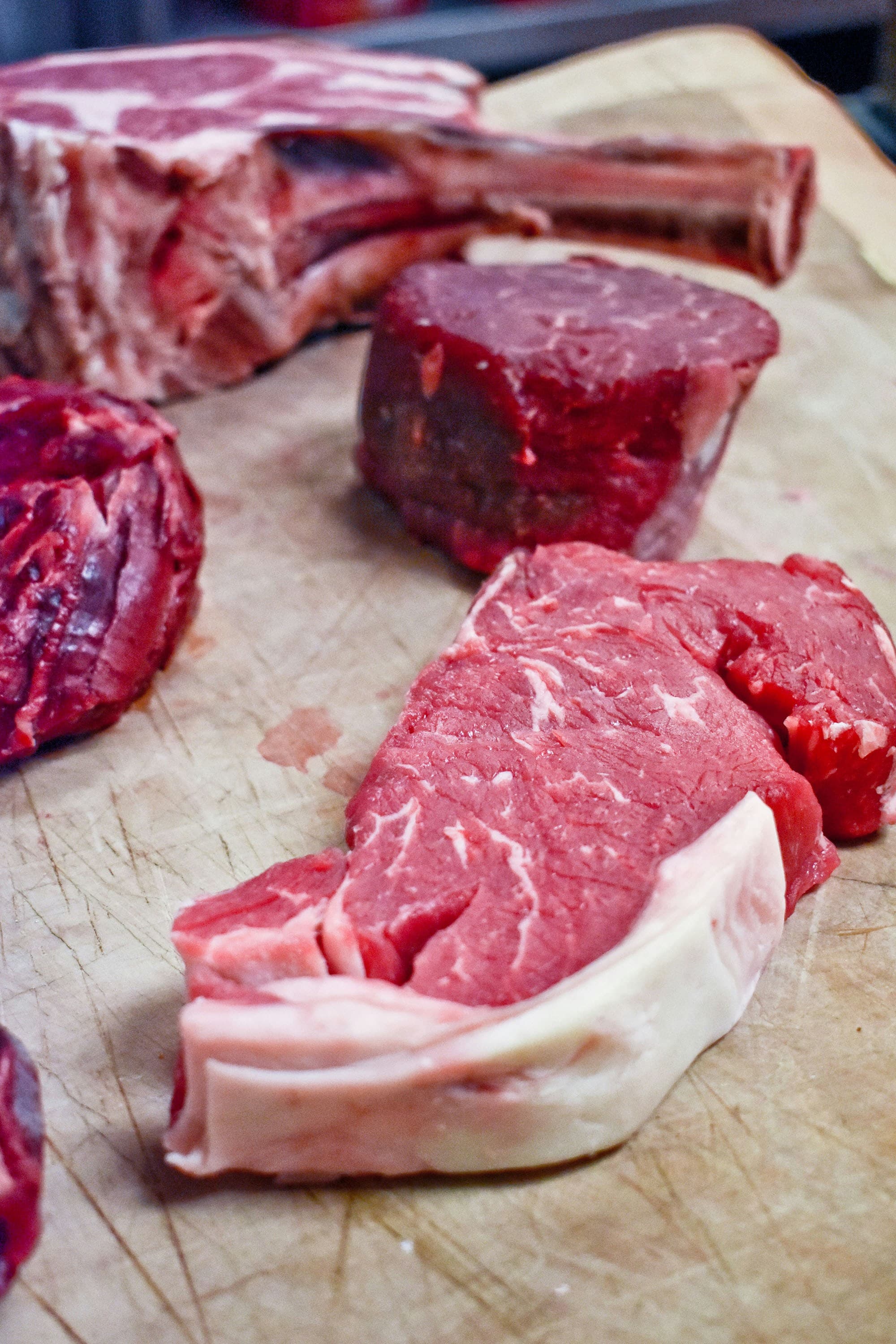
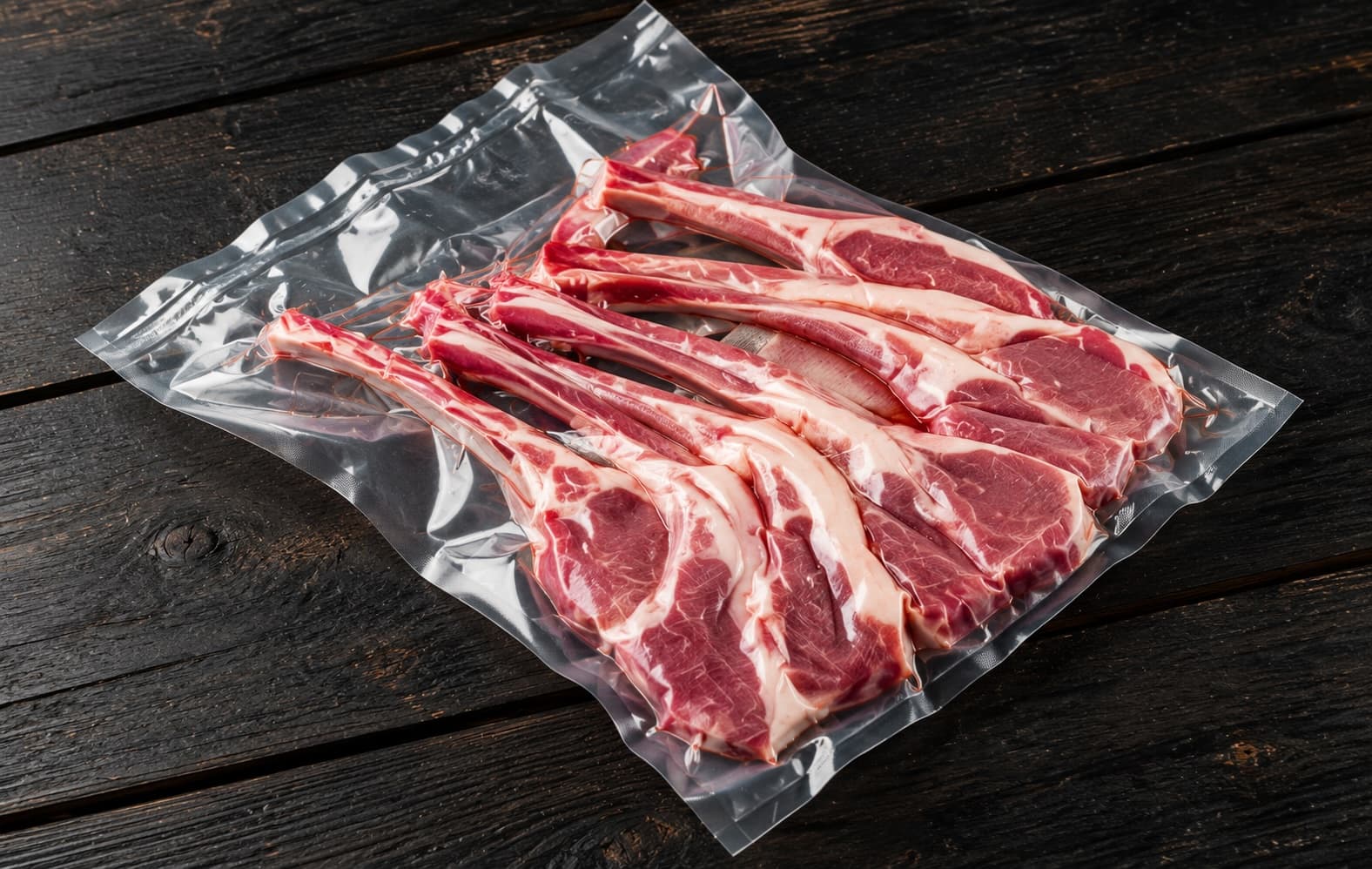
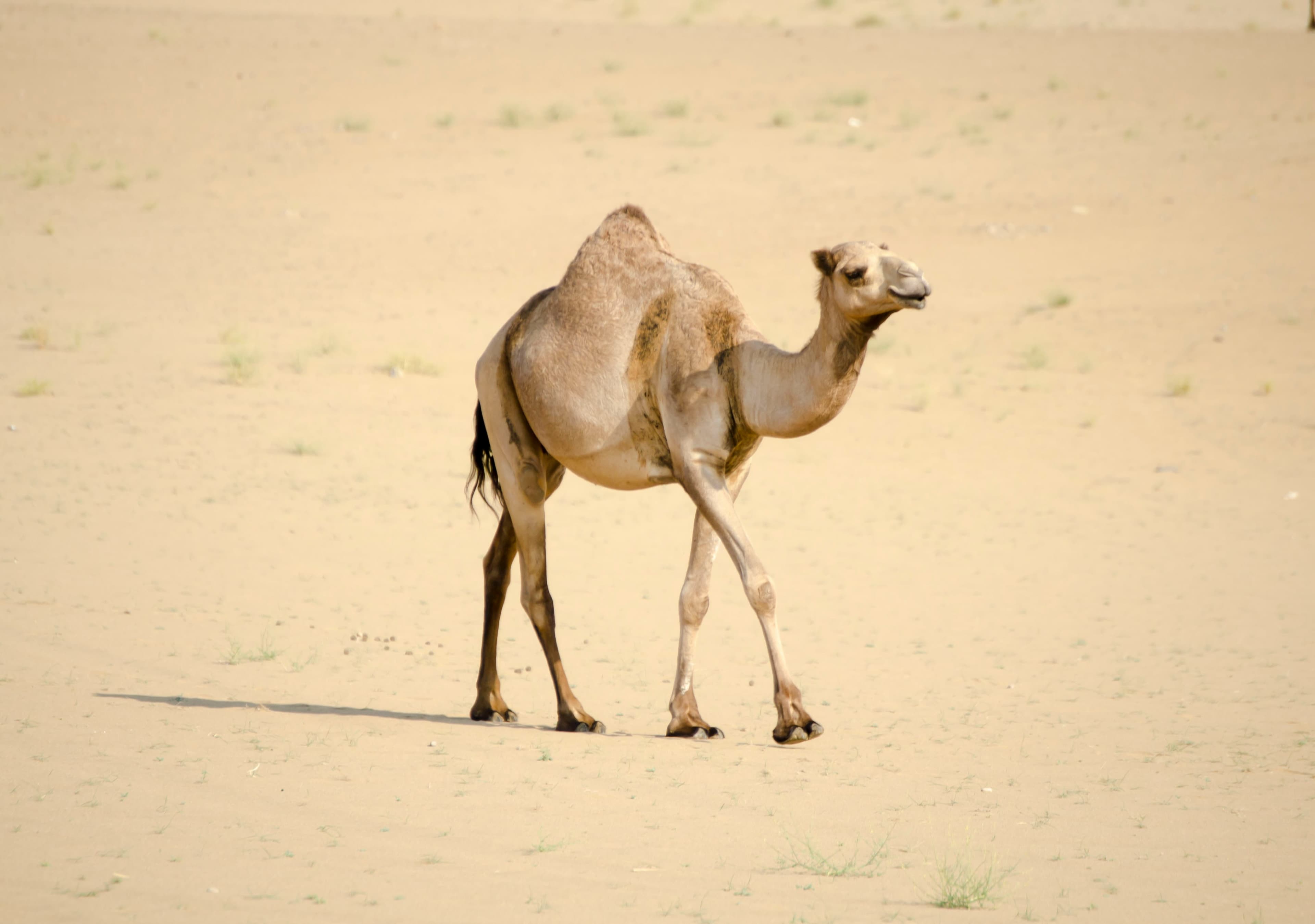
A wholesale meat supplier in the UAE is a business that supplies meat and poultry in volume to other businesses rather than to individual consumers. Buyers are typically restaurants, hotels, caterers, institutional kitchens, and retailers who need consistent, traceable, and halal-compliant product for their operations. The scope of "meat" in this context includes poultry (e.g. fresh chicken and portions), red meat (beef, lamb, goat, mutton—both local UAE and imported), camel, and seasonal products such as venison or rabbit, depending on the supplier.
In the United Arab Emirates, wholesale meat supply is governed by food safety and halal requirements. Suppliers work with approved sources, maintain cold chain from receipt to delivery, and often provide traceability so that commercial clients can verify batch and origin. Zad Organics operates as a wholesale supplier in this space, offering products across poultry, meat (local and imported beef and imported mutton), camel, seasonal items, eggs, and staples, with support for verification through Zad Verify.
Demand for wholesale meat in the UAE is driven by the food service and hospitality sector, as well as retail. Buyers expect consistent quality, reliable delivery, and the ability to demonstrate compliance. A supplier that combines traceability, cold-chain integrity, and halal assurance is well placed to serve this market. The following sections set out how the supply process works, what constraints and compliance apply, and where to find more information on products and locations such as Dubai, Sharjah, Abu Dhabi, and Al Ain.
Process breakdown
The process of supplying wholesale meat in the UAE can be broken down into clear stages from source to customer. Each stage affects quality, safety, and traceability.
Sourcing and approval
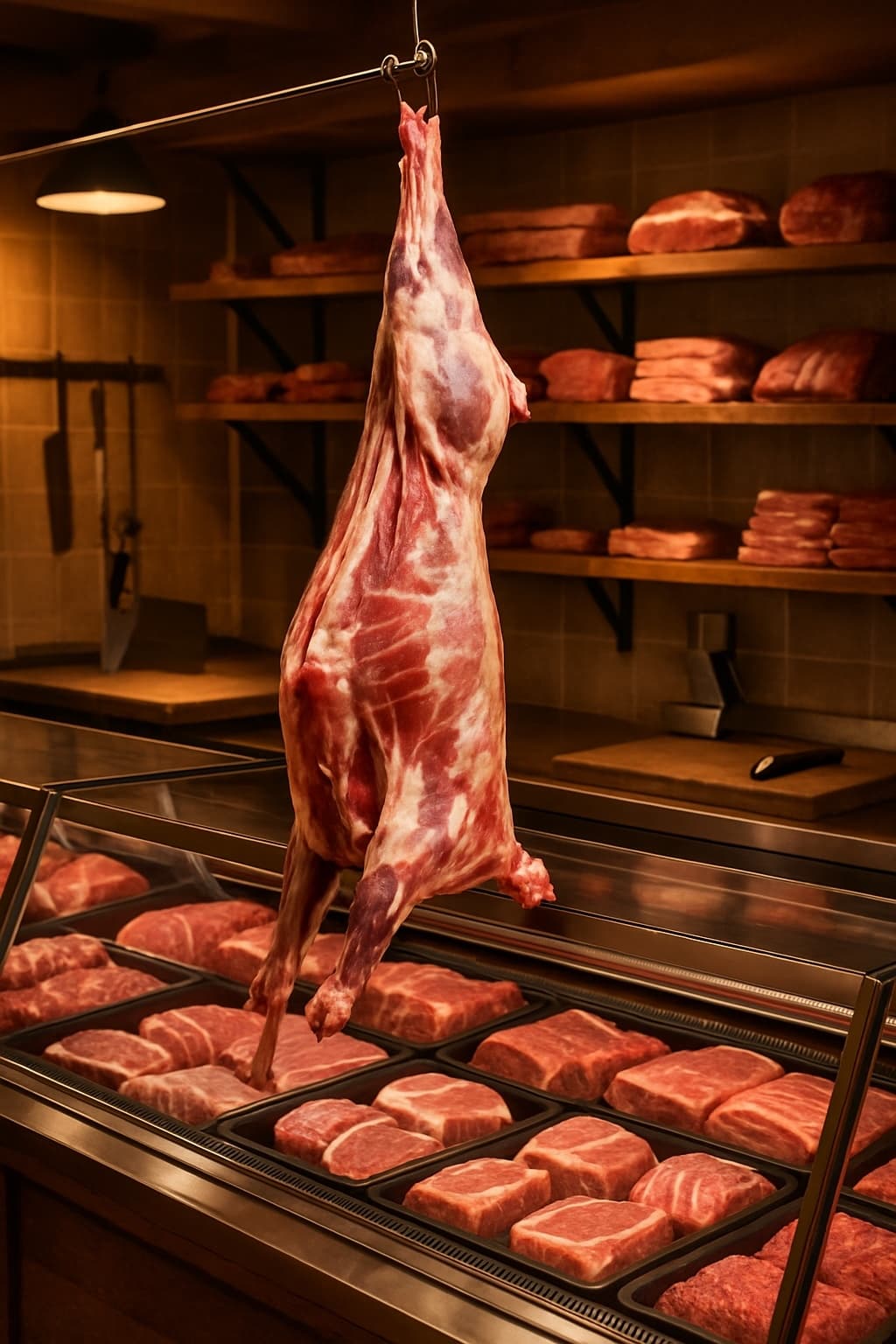
Wholesale suppliers source meat and poultry from approved farms, abattoirs, or processors that meet quality and halal standards. Criteria typically include animal health, feed, slaughter and processing standards, and documentation. Suppliers may work with local UAE sources (e.g. local lamb, goat, camel) or approved import channels (e.g. imported beef or mutton). The aim is to ensure that only product that meets the supplier's and the market's requirements enters the supply chain.
Receipt and inspection
On receipt at the supplier's facility, product is inspected for condition, temperature, and documentation. Product that does not meet specifications is rejected. Receipt is recorded so that batches can be linked to later handling and delivery. This step is foundational for traceability and for maintaining a clear chain of custody. It applies across categories: poultry, red meat, camel, and seasonal.
Storage and handling
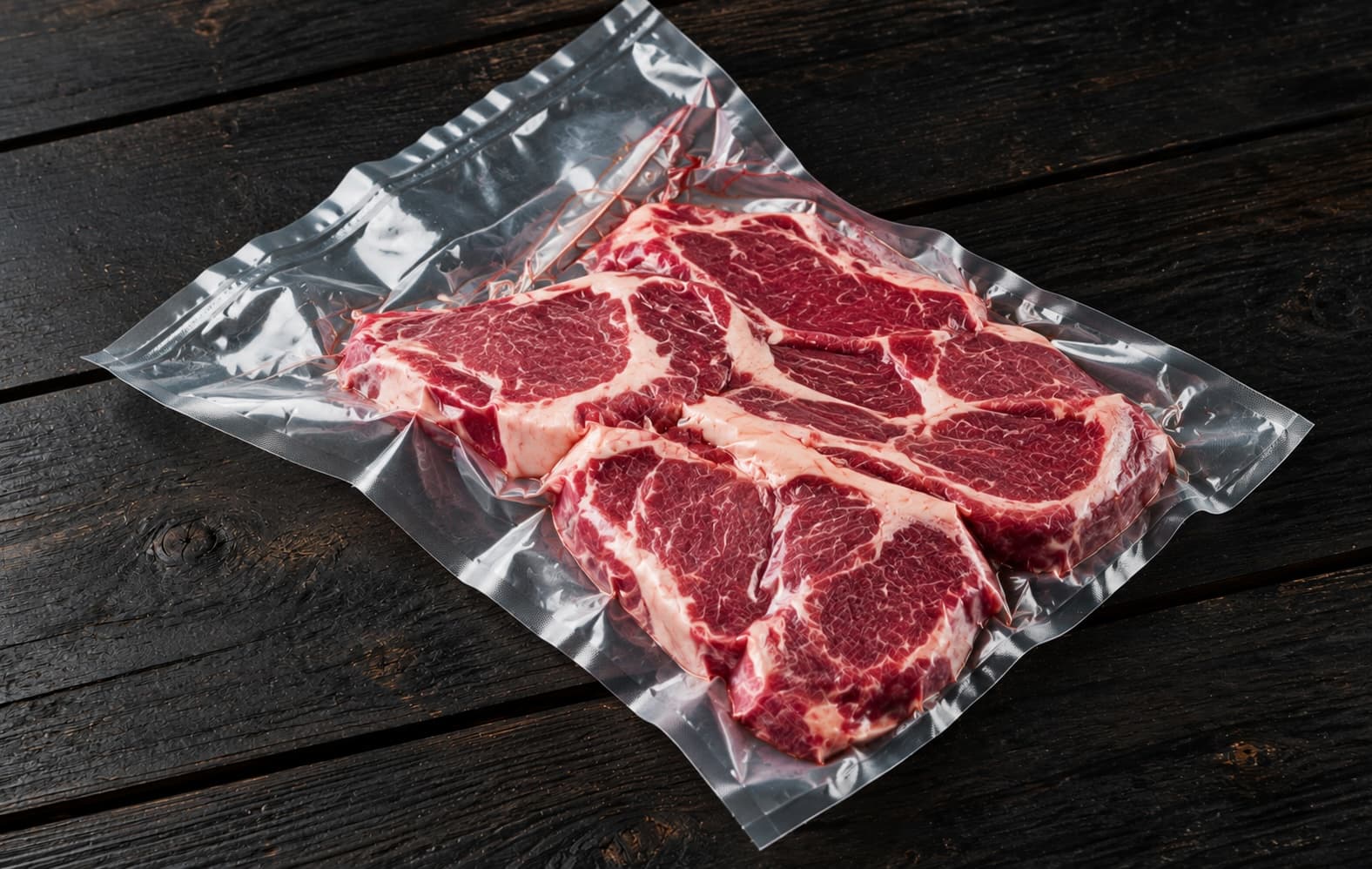
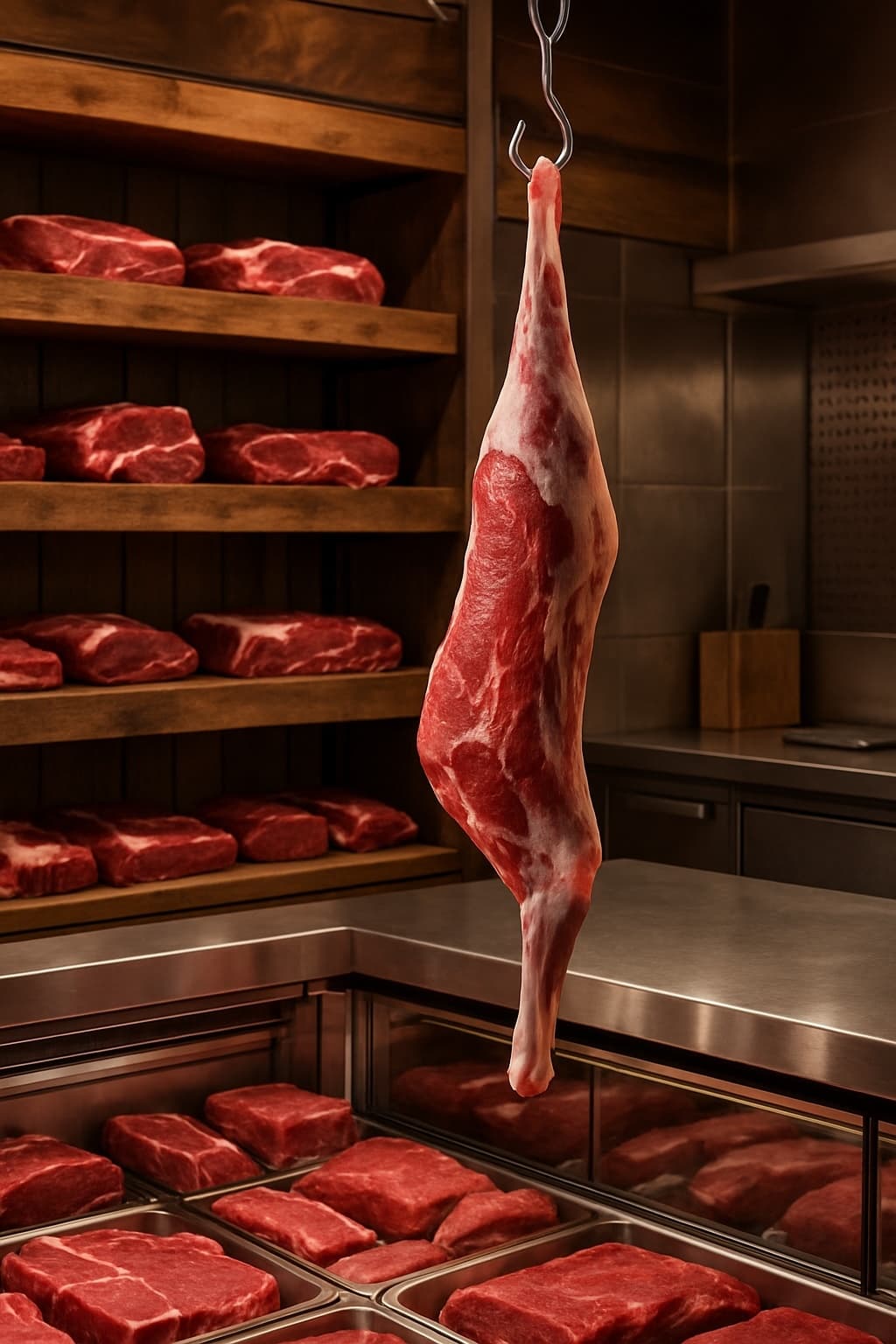
Meat and poultry are stored and handled in temperature-controlled environments. Storage conditions and time in storage are managed to preserve quality and meet food safety guidelines. Handling procedures minimise contamination and physical damage. Staff follow hygiene and safety protocols. This stage keeps the product safe and in good condition before dispatch. For a detailed treatment of temperature control and delivery, see cold-chain meat delivery.
Traceability and batch assignment
Throughout the process, batches are recorded and linked to documentation. Traceability systems allow the supplier and, where offered, the customer to trace a batch back to source and forward to delivery. Zad Organics supports this through batch assignment and the Zad Verify programme. For a fuller discussion of traceability in the UAE context, see meat traceability UAE.
Distribution and delivery
Product is distributed to commercial clients in refrigerated or temperature-controlled vehicles. Delivery schedules and routes are planned to meet customer needs while keeping product within safe temperature and time limits. Clients in major centres such as Dubai, Sharjah, Abu Dhabi, and Al Ain can receive regular scheduled deliveries. For enquiries on delivery frequency in your area, use the Contact page.
End-to-end process control—from sourcing through to delivery—helps ensure that meat reaches the buyer in the right condition. commercial clients who need to meet their own food safety or halal obligations benefit from working with suppliers that document each step and support verification.
Constraints and compliance
Wholesale meat supply in the UAE is subject to several constraints and compliance requirements. Suppliers and buyers need to be aware of these to operate legally and safely.
Food safety
Food safety regulations in the UAE govern the production, storage, transport, and sale of meat and poultry. Requirements cover hygiene, temperature control, and documentation. Wholesale suppliers must maintain facilities and procedures that meet these requirements and may be subject to inspection or certification. Failure to comply can result in product recall, loss of licence, or other enforcement action.
Halal compliance
Meat supplied for the UAE market is expected to be halal. Halal compliance involves approved slaughter and processing methods and often certification or documentation from recognised bodies. Wholesale suppliers typically source from halal-certified sources and maintain records that support verification. commercial buyers who need to demonstrate halal compliance to their own customers or auditors rely on this documentation and, where available, traceability.
Wholesale focus
Wholesale suppliers serve business customers, not the general public. Orders are placed in commercial quantities and terms. Buyers are expected to be registered businesses with the ability to handle, store, and use the product in line with food safety and halal requirements. For enquiries or to place orders, commercial clients should use the supplier's contact channel.
Voluntary standards and certifications (e.g. quality management, cold-chain, or traceability schemes) may also apply. Suppliers that invest in these can differentiate themselves and give buyers additional assurance. The combination of regulatory compliance and voluntary best practice supports a reliable supply of meat to the UAE wholesale market.
Support
Frequently asked questions
Common questions about wholesale meat supply in the UAE.
What is a bulk meat supplier UAE programmes rely on?
A bulk meat supplier UAE partner ships chilled or frozen beef, lamb, goat, and mutton in commercial cuts alongside fresh chicken UAE trays when buyers want one fresh chicken and meat supply desk. MOQ, primals, and retail-ready formats are always quote-specific.
Which cuts and formats do commercial teams request most?
Why pair traceability with compliance documentation for red meat?
Regulators and retail QA expect batch files that prove approved handling and chain of custody. Use Zad Verify where codes exist and read meat traceability UAE for concepts before requesting formal packs on Contact.
How does cold chain protect wholesale meat across emirates?
Temperature-controlled storage and vehicles keep primals and portions inside safe bands from handover to dock. Study cold chain meat delivery, then brief emirate routes—including chicken supplier Dubai adjacency—on Contact.