Introduction
In short: breaks in chilled handling hurt fresh chicken UAE and meat supplier UAE quality before thermometers flag a breach—tight receiving SOPs matter as much as the truck.
Cold chain logistics is the difference between product that performs in your kitchen and product that looks acceptable on paper but fails on the pass—especially in the UAE, where high ambient temperatures punish slow handovers and weak receiving discipline.
This article focuses on what operational leaders should expect for meat, poultry, and eggs, and how to read early warning signs before waste and guest complaints accumulate.
For a step-by-step process view, read cold chain meat delivery on this site.
Key takeaways
- Temperature control protects safety, yield, and brand perception together.
- Most failures show up first as sensory and handling issues—not only thermometer spikes.
- Receiving is part of logistics: minutes matter when doors open in heat.
Why cold chain is non-negotiable in the UAE
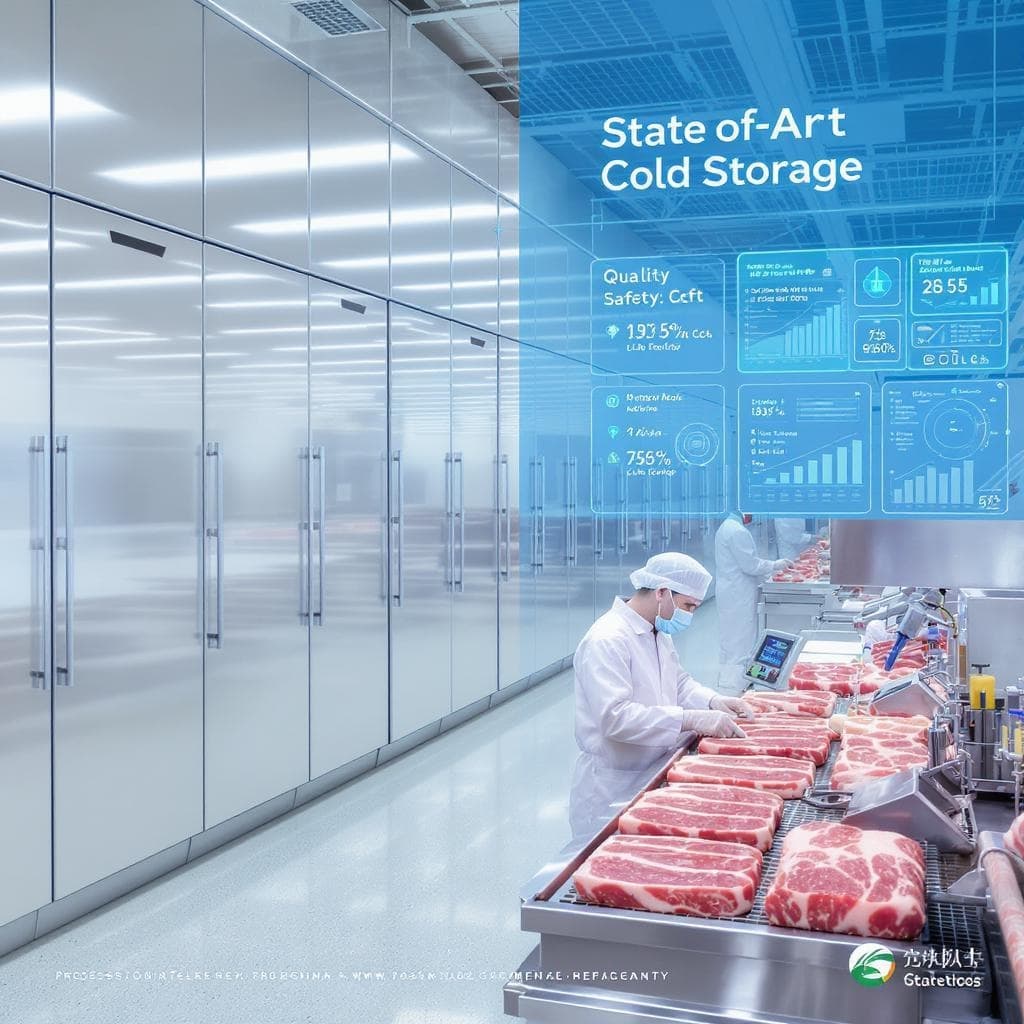
Chilled meat and poultry depend on continuous cool conditions from supplier storage through transport. Eggs, while handled differently than red meat, still suffer from rough temperature swings: quality drops faster and food safety risk rises when product sits in warm corridors between vehicle and chiller.
What strong suppliers control
- Pre-cooled vehicles and sensible load patterns
- Minimal door-open time at each stop
- Clear communication when traffic or routing risks delay
Operational signs something went wrong
Train teams to look beyond “is it cold to the touch.” Document patterns your chef trusts: purge levels, smell, colour shift for the grade you buy, and case integrity. Photos attached to receiving logs make supplier conversations factual instead of emotional.
Eggs: practical receiving notes
Check for clean shells, intact packs, and stable storage immediately after delivery. Rotate stock with the same discipline as high-value meat so older packs clear before newer ones when your menu allows.
Design a receiving SOP your night team will follow
- Assign who moves chilled lines first when a mixed delivery arrives.
- Define temperature or probe checks if your HACCP plan requires them.
- State when to hold, reject, or escalate—and who answers the phone.
Link this SOP to locations you serve from—teams in Dubai, Sharjah, Abu Dhabi, and Al Ain all face the same climate stress; consistency beats location excuses.
Conclusion
Cold chain is not a transport detail—it is a quality strategy. In the UAE, buyers who treat receiving as part of logistics get more predictable yields, fewer emergency supplier switches, and cleaner audits.
Zad Organics supplies commercial clients with attention to temperature-controlled handling and professional documentation. If you want logistics aligned to how your site actually receives goods, reach out with your delivery windows and constraints.